University of Toronto · PhD Research

Real-Time Aeroelastic Hybrid Simulation of a Base-Pivoting Building Model in a Wind Tunnel

This research developed and experimentally validated a real-time closed-loop hybrid simulation framework that integrates a numerical structural model with a physical wind-tunnel experiment. The system reproduces coupled aeroelastic response through two orthogonal linear actuators, a base-pivoting mechanism, measured force and displacement feedback, and real-time delay compensation.

Conceptual framework

Three components. One real-time closed-loop system.

The numerical model and physical wind-tunnel experiment exchange information continuously through the real-time communication and control system. Commanded actuator displacements move from the numerical model to the physical system, while measured physical response is returned to update the numerical solution at every time step.

COMMAND PATH · commanded actuator displacements →
1

Numerical Component

Computes the required structural response and advances the numerical solution at each time step.

Receives measured moments Mₘ₁, Mₘ₂
2

Communication & Control

Applies delay compensation, generates actuator commands and coordinates real-time exchange between the numerical and physical systems.

Commands uₚ₁, uₚ₂ · Feedback uₘ₁, uₘ₂
3

Physical Wind-Tunnel Component

Uses the building model, pivoting mechanism, two orthogonal linear motors, load cells and encoders to reproduce and measure the response.

Measures Fₘ₁, Fₘ₂ and uₘ₁, uₘ₂
Numerical model → Controller → Physical systemPhysical system → Controller → Numerical model
How it works

Closed-loop real-time simulation workflow.

The detailed figure below is the approved technical workflow for the system and is presented unchanged.
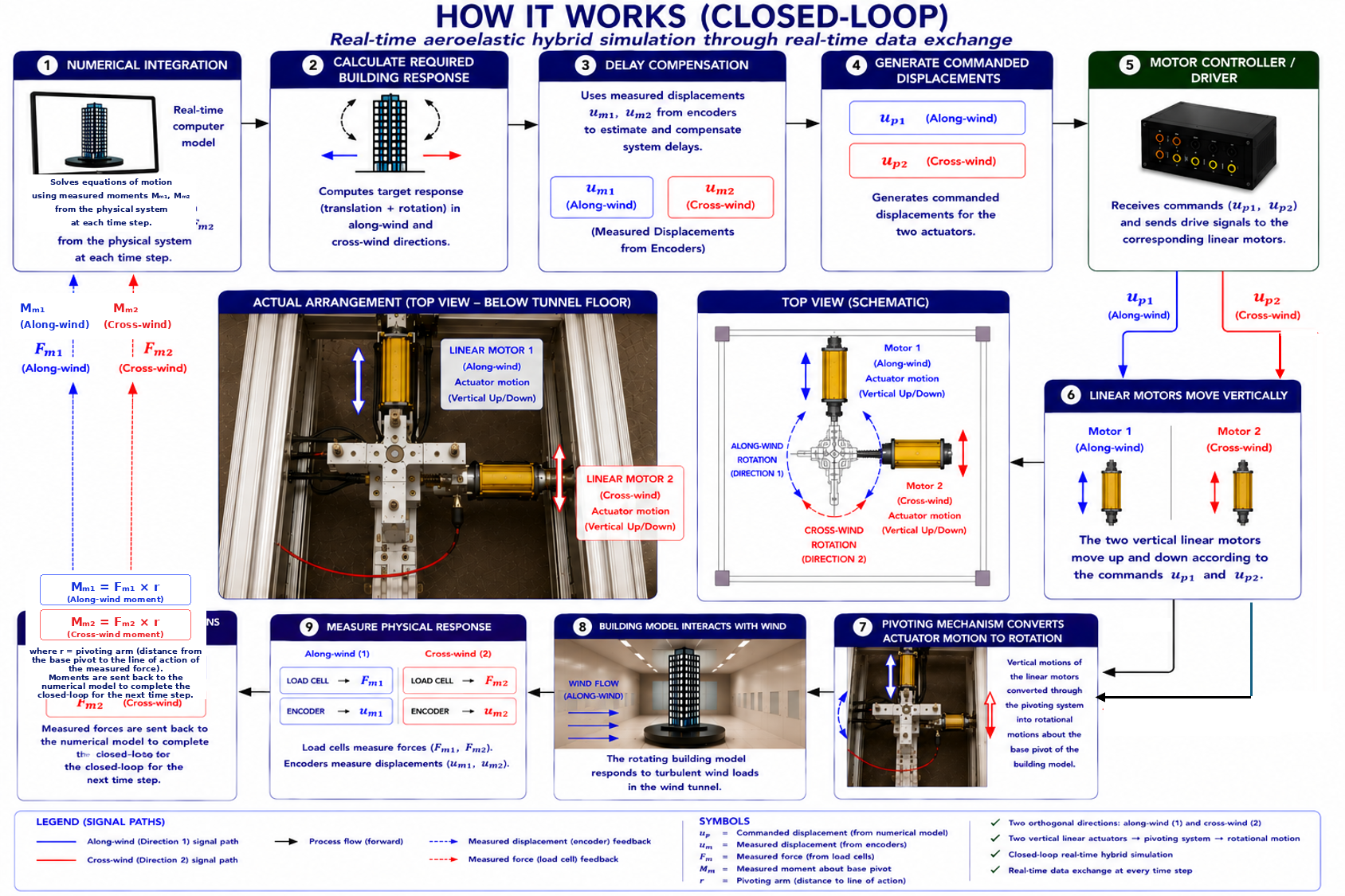
Closed-loop real-time aeroelastic hybrid simulation workflow showing numerical integration, delay compensation, two actuator commands, pivoting mechanism, wind-tunnel interaction, measured forces and displacements, and feedback to the numerical model
Numerical integration → required response → delay compensation → commanded displacement → motor controller/driver → vertical linear-motor motion → pivoting mechanism → wind interaction → force/displacement measurement → measured moments returned to the numerical model for the next time step.
Experimental setup

The physical system behind the simulation.

The building model is located above the wind-tunnel floor. The actuator and pivoting system is installed below the floor, where two orthogonal linear motors provide vertical actuator motions that are converted into rotational motion of the building model.
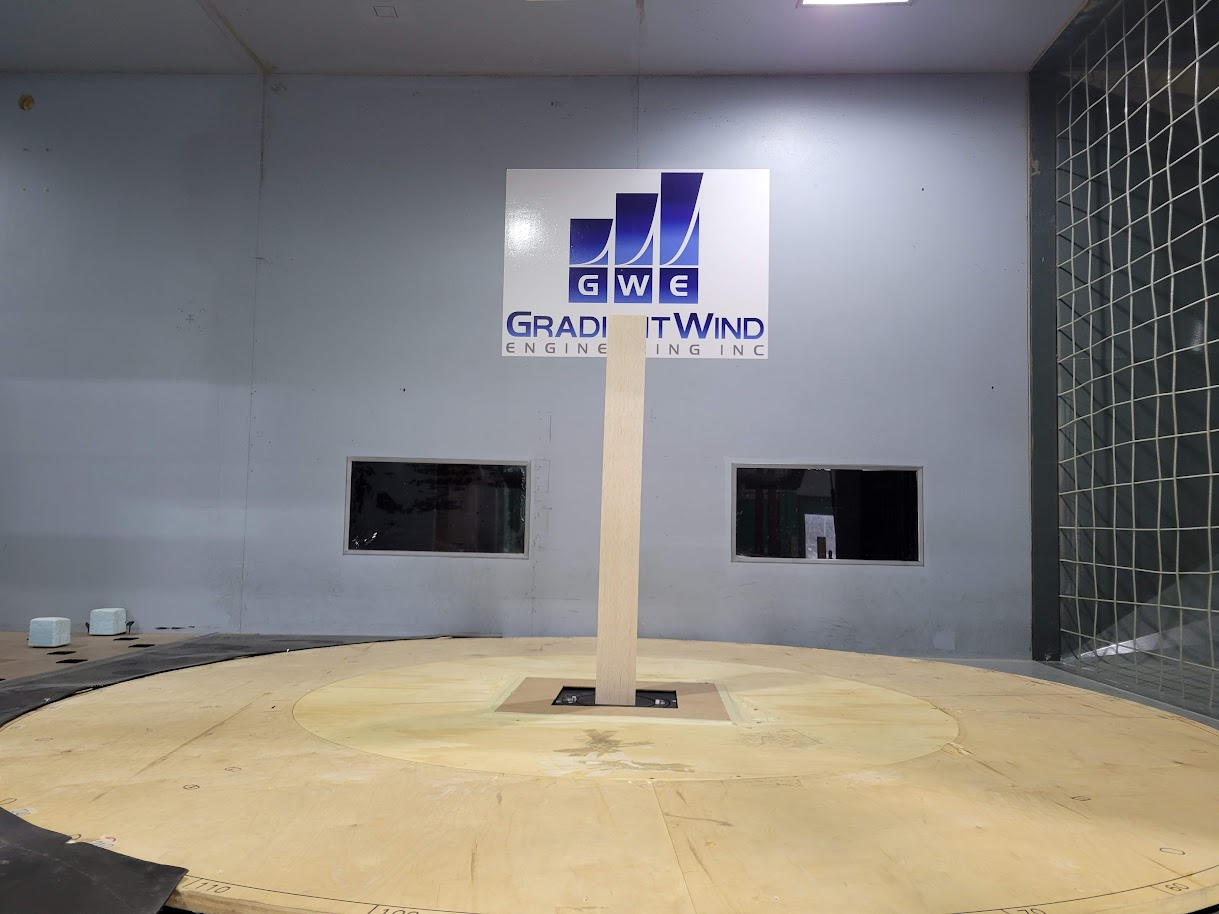
Physical building model installed in the wind tunnel

Wind-Tunnel Building Model

Physical building model positioned in the test section to interact directly with the wind field while the hybrid simulation reproduces the required structural motion.
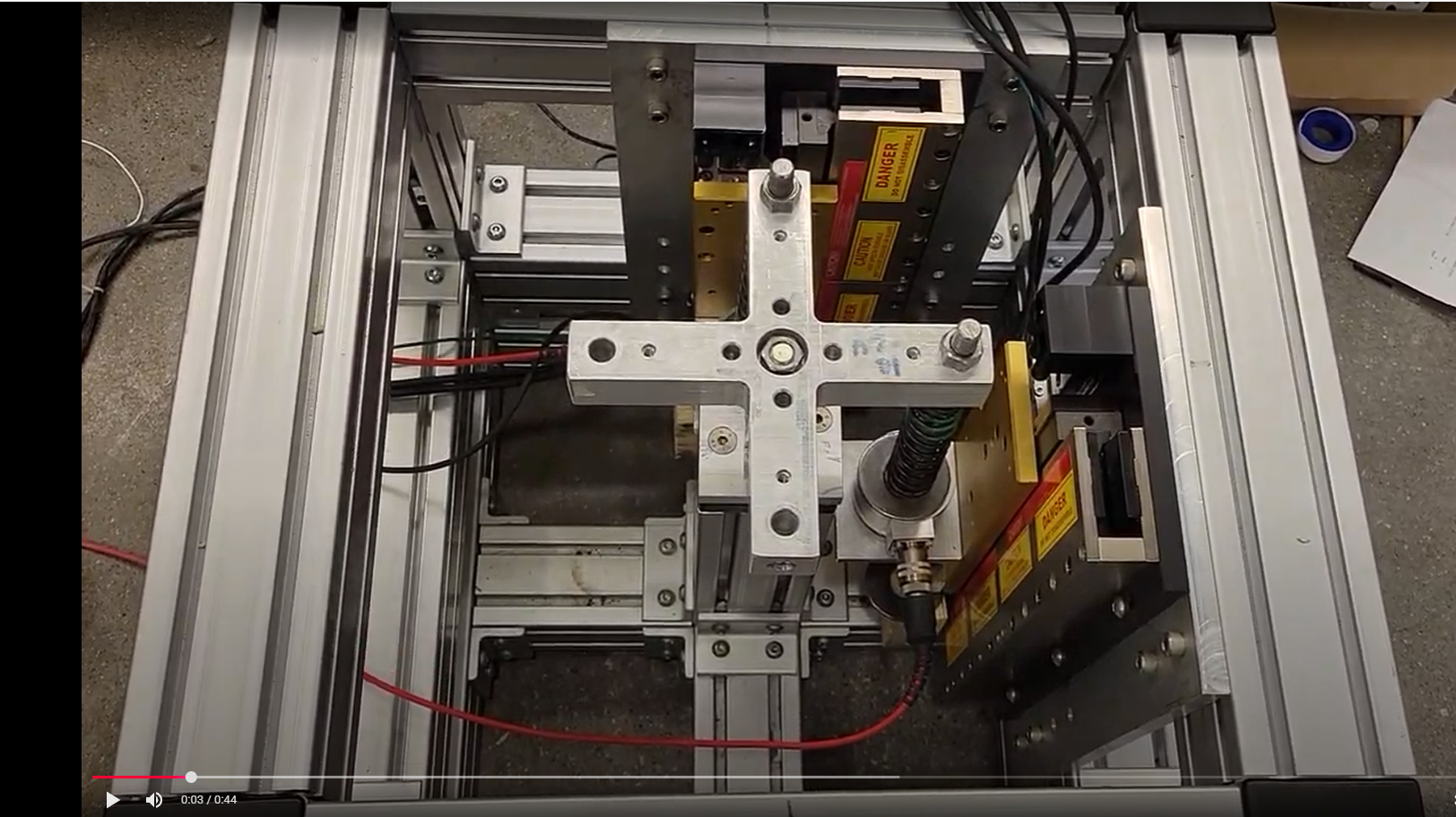
Top view of the below-floor pivoting and actuator system

Below-Floor Actuator & Pivoting System

Actual top view of the common frame, pivoting mechanism and orthogonal actuator arrangement used to impose the commanded motions.

Key research contributions

What the research developed

  • A real-time closed-loop hybrid simulation framework for aeroelastic wind-tunnel testing.
  • Integration of a numerical structural model with a physical wind-tunnel substructure through real-time command and feedback signals.
  • A base-pivoting physical system driven by two orthogonal linear actuators.
  • Delay-compensation strategy using measured encoder displacements to maintain stable real-time operation.
  • Force feedback through load cells and conversion of measured force to base moment using the pivoting arm.
  • Experimental reproduction of coupled along-wind and cross-wind aeroelastic response.
Research outcomes

What the framework demonstrates

Real-time operationNumerical and physical components exchange data continuously at each time step.
Coupled responseThe physical system reproduces motion in two orthogonal wind-response directions.
Measured feedbackLoad cells measure forces and encoders measure actuator displacements.
Physical validationThe method combines computational modeling with direct wind-tunnel interaction.
Additional research

Structural dynamics, seismic engineering & bridge assessment.

University of British Columbia · MASc

Shape-Memory-Alloy Reinforced-Concrete Frames

Analytical investigation of reinforced-concrete frames incorporating shape-memory-alloy reinforcement under extreme loading.
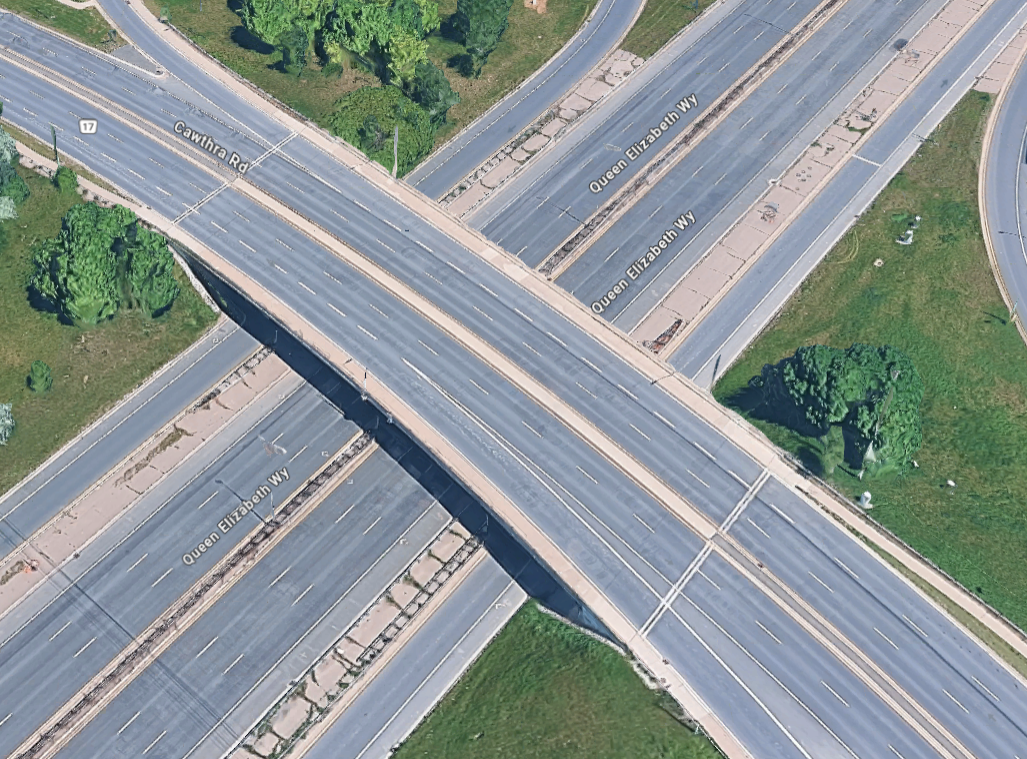
Earthquake EngineeringShape-Memory AlloyReinforced ConcreteStructural Dynamics
Bridge diagnostic load testing
Applied engineering research

Bridge Dynamics, Load Testing & Asset Decisions

Applying analytical models, field measurements and structural assessment to reduce uncertainty in rehabilitation, strengthening and asset-management decisions.

Diagnostic Load TestingBridge AssessmentStructural RehabilitationField Measurement